

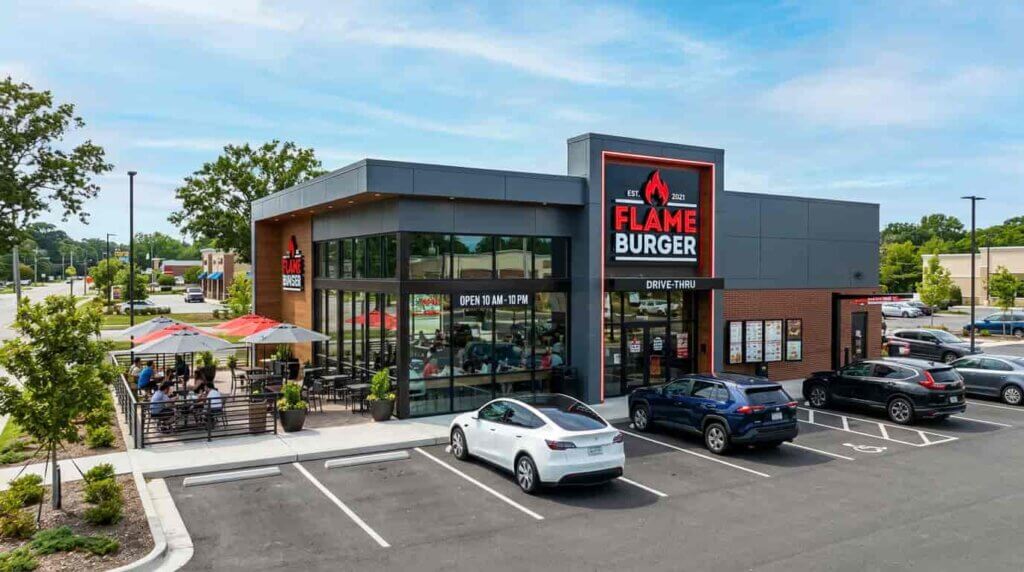
Fast food restaurants operate in a fast-paced environment where food preparation speed, ingredient availability, and food safety are critical to daily success. With large volumes of fresh ingredients needed for continuous meal production, having a reliable fast food restaurant cold storage room is essential for maintaining product quality and ensuring smooth kitchen operations.
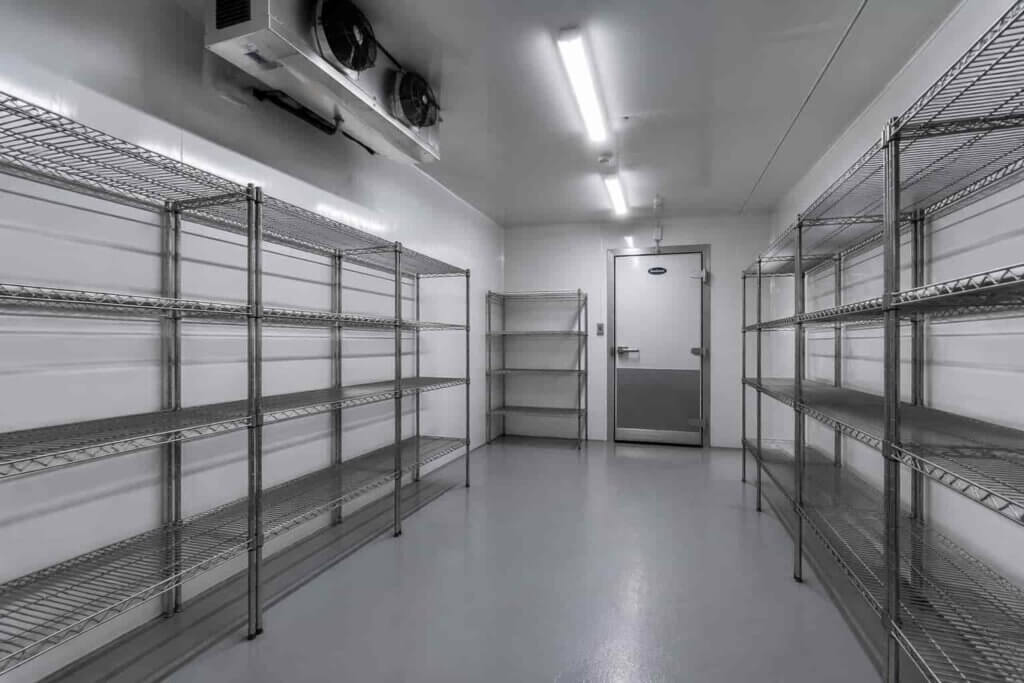
From fresh meat and vegetables to dairy products and prepared ingredients, a properly designed commercial walk-in cooler helps restaurants manage inventory efficiently while reducing food waste and operational challenges. Choosing the right restaurant cold storage room requires careful consideration of storage requirements, available space, workflow design, energy efficiency, and long-term maintenance needs.
1: Understanding Fast Food Cold Storage Requirements
Fast food restaurants usually handle a wide variety of ingredients every day, including fresh meat, vegetables, prepared food, sauces, and packaged products. Because each type of ingredient has different storage requirements, a professional fast food restaurant cold storage room needs to provide not only sufficient capacity but also an organized and controlled environment for different food categories.
- Fresh meat and seafood are among the most temperature-sensitive ingredients in fast food operations. For restaurants that handle high volumes of meat products, the cold storage area should provide stable temperature performance and enough space for proper separation between raw ingredients.
- Fresh fruits and vegetables are essential ingredients for many fast food menus, including salads, sandwiches, burgers, and side dishes. Unlike meat products, many vegetables require careful humidity and airflow management to prevent moisture loss, wilting, or premature spoilage.
- Marinated meat, prepared sauces, cooked ingredients, and ready-to-use components need reliable temperature control before they are served. A well-planned restaurant cold storage room helps separate prepared foods from raw ingredients, improves workflow efficiency, and ensures that food remains within safe storage conditions.
- In addition to fresh ingredients, fast food restaurants often store packaged products such as dairy items, drinks, desserts, and sealed ingredients. These products require organized storage areas that allow easy inventory management and quick access.
2: Planning Storage Capacity and Layout
A cold storage system that is too small may create overcrowded conditions, while an oversized space may increase unnecessary construction and operating costs.
When planning a commercial walk-in cooler, restaurants should consider several factors, including daily sales volume, menu variety, ingredient consumption rate, and delivery frequency. A fast food restaurant with a large menu or high customer traffic usually requires more storage space because it needs to keep larger quantities of fresh ingredients available for continuous food preparation. Understanding purchasing schedules and ingredient usage patterns helps businesses avoid both insufficient storage capacity and wasted space.
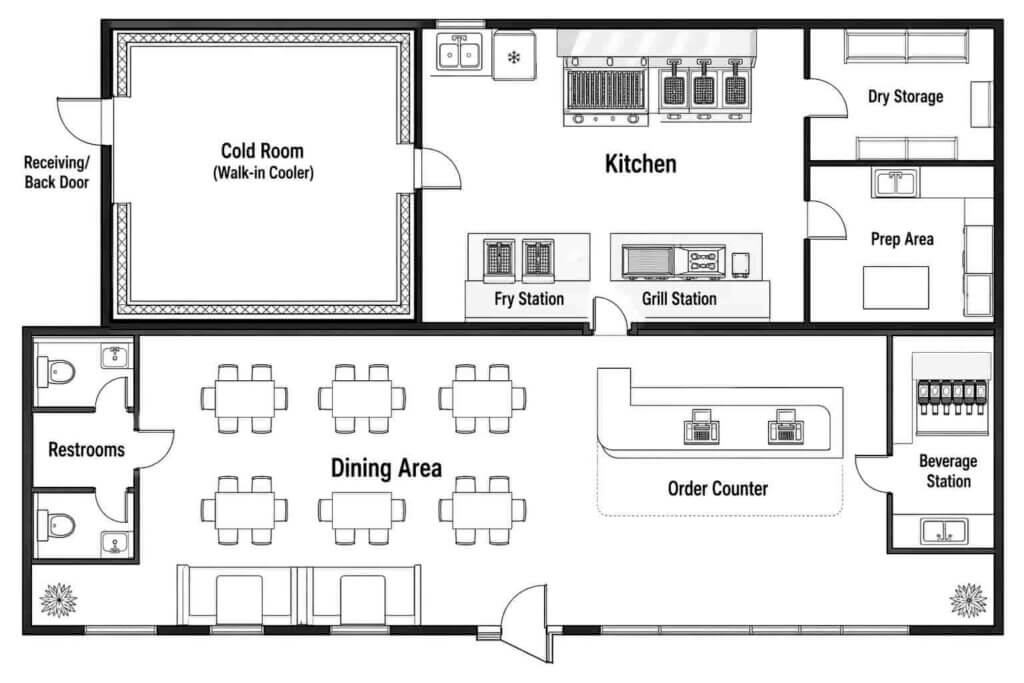
The layout of a cold storage room should support the movement of goods from receiving to storage and then to food preparation areas. A well-designed layout minimizes unnecessary walking distances and helps employees complete daily tasks more efficiently. Important design considerations include door location, aisle width, shelf arrangement, and accessibility for inventory checks. McDonald’s is a good example.
3: Maintaining Food Quality and Safety with Proper Refrigeration
Maintaining food quality and safety is one of the most important functions of a fast food restaurant cold storage room.
Food waste is a major operational concern for fast food restaurants. Improper refrigeration can cause fresh ingredients to lose their texture, color, flavor, or nutritional value before they are used. This is especially important for products such as fresh meat, vegetables, dairy products, and prepared ingredients. By maintaining suitable storage conditions, a reliable restaurant cold storage room helps restaurants reduce unnecessary product loss and improve inventory utilization.
Food safety depends not only on ingredient quality but also on proper storage practices. Clear storage zones, proper shelving arrangements, and stable refrigeration performance make it easier for restaurant staff to follow food handling procedures. For fast food businesses with high order volumes, effective refrigeration management provides an important foundation for maintaining consistent food safety standards.
Common Mistakes When Buying a Restaurant Cold Storage Room
Focusing Only on Initial Cost
One of the most common mistakes when purchasing a commercial walk-in cooler is choosing the lowest-priced option without considering overall value. A cheaper system may have limitations in insulation quality, cooling performance, energy efficiency, or durability, which can lead to higher operating expenses and more frequent maintenance in the future.
Restaurants should evaluate the total cost of ownership, including energy consumption, maintenance requirements, replacement costs, and expected service life. A reliable refrigeration system designed for continuous commercial use can provide better long-term value.
Underestimating Storage Capacity Requirements
Another common mistake is selecting a cold storage room based only on current needs without considering future growth. Insufficient storage capacity can create overcrowded conditions, making it difficult to organize ingredients properly and increasing the risk of poor inventory management.
Ignoring Energy Efficiency
Energy consumption is a major consideration for commercial refrigeration systems because cold storage equipment often operates continuously. Choosing a system without considering insulation performance, refrigeration efficiency, and temperature control technology may result in unnecessary energy costs over time. An energy-efficient restaurant cold storage solution can help reduce operating expenses while maintaining reliable cooling performance.
Overlooking Maintenance and Service Support
A cold storage system is a long-term investment that requires regular maintenance to maintain stable performance. Some businesses focus on equipment selection but fail to consider the availability of technical support, spare parts, and after-sales service.
Conclusion
When selecting a cold room solution, fast food businesses should consider multiple factors, including ingredient storage requirements, capacity planning, layout design, temperature stability, energy efficiency, and long-term maintenance needs. A refrigeration system that matches the restaurant’s actual operational requirements can help reduce food waste, improve inventory management, and create a more efficient working environment.
Choosing the right cold storage system is not only an equipment decision but also a long-term investment in food quality, operational reliability, and business growth.
If you are looking for a customized restaurant cold room solution for your fast food business, working with an experienced refrigeration provider can help you design a system that meets your storage needs, space requirements, and operational goals.
Contact our refrigeration experts today to discuss your project requirements and find the right cold room solution for your restaurant.