

Introduction
Cold storage has long been the backbone of industries like food, pharmaceuticals, and agriculture. But in 2025, the way we store temperature-sensitive goods is evolving rapidly. At the forefront of this change is the modular cold room—a flexible, scalable, and tech-forward alternative to traditional cold storage. As businesses face rising demand for faster delivery, higher efficiency, and more sustainable practices, modular cold rooms are stepping in to meet the challenge. They’re not just a trend—they’re a revolution.
From Fixed to Flexible: A Shift in Cold Storage Thinking
Traditional cold room has served industries reliably for decades. It’s robust, often built to handle high-volume, long-term storage, and remains the right choice for certain large-scale, permanent operations.
However, as business needs become more dynamic—whether due to seasonal fluctuations, rapid growth, or decentralized operations—many companies are looking for greater flexibility. That’s where modular cold rooms come in.
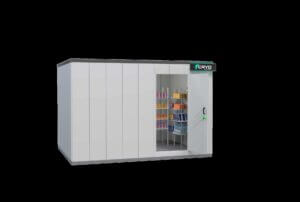
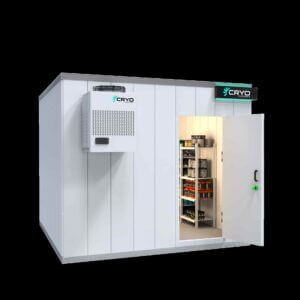
These systems are made from interlocking, insulated panels and can be customized, expanded, relocated, or reconfigured with minimal downtime. Unlike fixed installations, modular freezer rooms adapt to your space, your volume, and your business model.
They don’t aim to replace traditional setups—but they do offer a versatile solution for businesses that value scalability, speed, and adaptability.
Industries Leading the Shift
While modular cold rooms are gaining popularity across the board, some industries are adopting them especially quickly due to their specific operational needs.
Food & Beverage
From small-scale meat processors to artisanal ice cream makers, businesses in the F&B sector need reliable cold storage that can adapt to seasonal demand. Modular cold rooms allow them to scale capacity during harvests or holiday surges, and reduce it when demand slows—without wasting energy or space.
Pharmaceuticals & Healthcare
Temperature-sensitive vaccines, medicines, and biological samples require strict, stable cold storage, especially in remote or temporary facilities. Modular freezer rooms offer GMP-compliant, easily monitored environments that can be quickly deployed to clinics, field hospitals, or mobile vaccination centers.
Agriculture & Floriculture
Farmers and flower growers benefit from post-harvest cold storage to extend product shelf life before transport. Modular cold rooms provide an affordable way to keep produce fresh at the source—especially important for smallholders looking to access broader markets or export channels.
Hospitality & Events
Catering services, outdoor festivals, and hotel groups are increasingly using modular cold storage for temporary refrigerated storage. Whether it’s for a week-long event or seasonal overflow, these units offer professional-grade cooling without long-term commitment.
2025 Trends Fueling the Modular Cold Room
As we move deeper into 2025, several major trends are accelerating the shift toward modular cold storage solutions. These changes are reshaping how businesses think about logistics, energy use, and operational agility.
Growth of E-commerce and On-Demand Logistics
The rise of online grocery platforms, meal delivery services, and direct-to-consumer food brands has created a need for fast, localized cold storage. Modular cold rooms allow distribution hubs and fulfillment centers to scale their storage quickly—often within days—without committing to large construction projects.
Smarter Technology in Cold Storage
Today’s modular cold rooms are often equipped with smart monitoring systems that provide real-time temperature tracking, remote diagnostics, and predictive maintenance. These technologies not only improve food and pharmaceutical safety—they also reduce energy waste and prevent costly downtime.
Sustainability as a Competitive Advantage
Sustainability is no longer just a buzzword—it’s a business imperative. Modular cold rooms are increasingly built with eco-conscious materials, low-GWP (Global Warming Potential) refrigerants, and energy-efficient insulation. Some models even integrate with solar power systems, helping companies reduce their carbon footprint while lowering operational costs.
Decentralized and Pop-Up Operations
Whether it’s a medical relief camp, a food truck network, or a mobile vaccination unit, modular cool rooms support operations in non-traditional environments—because they’re easy to transport and set up anywhere. This adaptability gives businesses and organizations the freedom to respond quickly to new opportunities or emergencies, all while maintaining cold chain integrity.
What’s Next for Modular Cold Rooms?
- Multi-Zone Precision Cooling
- AI-Powered Monitoring and Control
- Blockchain-Enabled Cold Chain Traceability
- Carbon-Neutral & Eco-Friendly Designs
- Plug-and-Play Modular Systems
- Real-Time Inventory Sync with ERP Systems
- Voice-Controlled or App-Controlled Interfaces
- Foldable or Collapsible Panel Technologies
- Automatic Dehumidification and Self-Cleaning Surfaces
Conclusion
Modular cold rooms aren’t just a passing innovation—they’re a reflection of where cold storage is heading: flexible, intelligent, and sustainable. In 2025, businesses of all sizes are looking for ways to adapt faster, reduce waste, and operate more efficiently. Modular solutions check all those boxes.
Whether you’re a growing food startup, a logistics provider, or a rural clinic needing cold storage on short notice, modular cold rooms offer a practical and future-ready answer. They don’t replace traditional systems entirely, but they fill a crucial gap—especially in a world that demands speed, adaptability, and accountability.