


Why Caviar Refrigeration Is Critical
Caviar is one of the most luxurious and delicate food products in the world. Made from sturgeon roe, it is highly sensitive to environmental conditions and can quickly lose quality if not stored correctly. Unlike many other seafood products, caviar requires precise temperature control to preserve its texture, flavor, and shelf life.
Improper refrigeration can cause significant quality degradation. Temperature fluctuations may lead to softening of the roe, separation of oils, or microbial growth, all of which negatively affect taste and safety. Exposure to high temperatures can shorten shelf life dramatically, while freezing can damage the delicate structure of the eggs.

Applications of Caviar Refrigeration
Fine Dining Restaurants
Fine dining restaurants typically store small quantities of high-value caviar for daily service. The recommended storage temperature is -2°C to +2°C, with stable humidity and minimal light exposure.
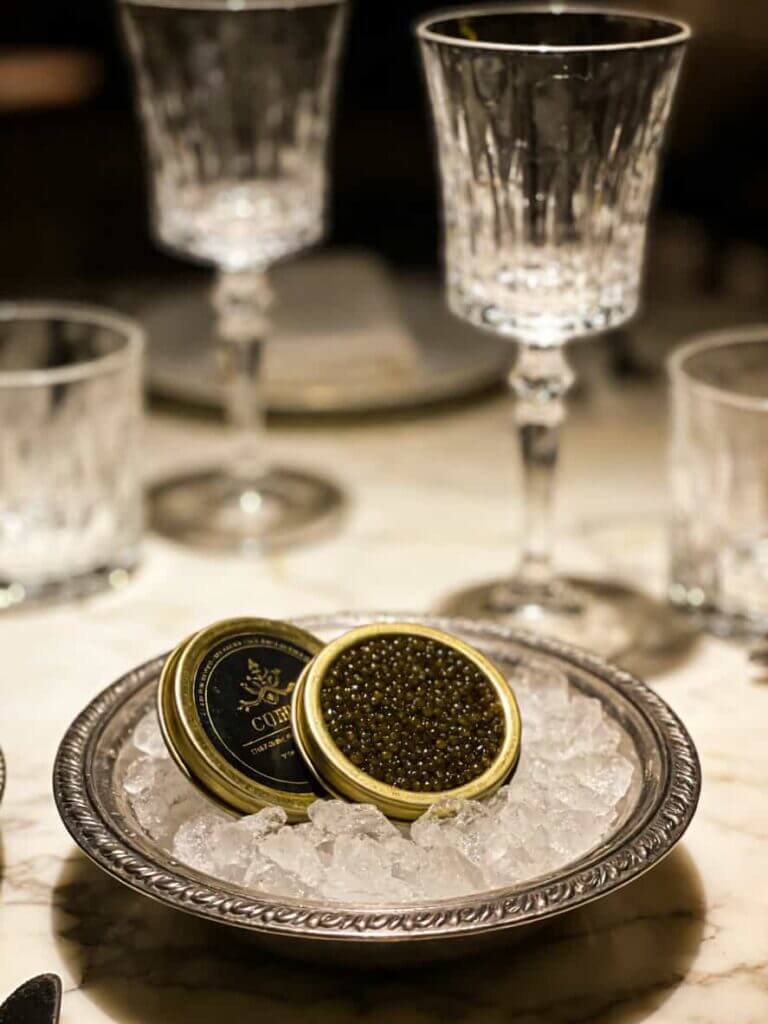
Caviar should be removed from refrigeration 10–15 minutes before serving to allow it to reach optimal tasting temperature. It should be kept on ice in a chilled bowl during service to maintain freshness without freezing.
Caviar Producers and Aquaculture Farms
Producers require bulk storage for grading, packaging, and maturation. The ideal temperature range is -2°C to 0°C, with controlled humidity (70–90%) and gentle airflow to prevent dehydration.
Before being distributed, caviar undergoes a crucial stabilization process in cold storage. By keeping it at an optimal low temperature, the natural texture and taste of the caviar are preserved, preventing spoilage or degradation. After cold storage, the caviar is packaged and prepared for perfect shipment.
Luxury Food Distributors and Wholesalers
Distributors handle large volumes and multiple product grades. Caviar must be stored at -2°C to +2°C in separate zones to prevent cross-contamination and maintain traceability.
Caviar should remain under continuous refrigeration until dispatch. During loading, insulated containers and refrigerated vehicles are used to maintain the cold chain.
High-End Supermarkets and Gourmet Stores
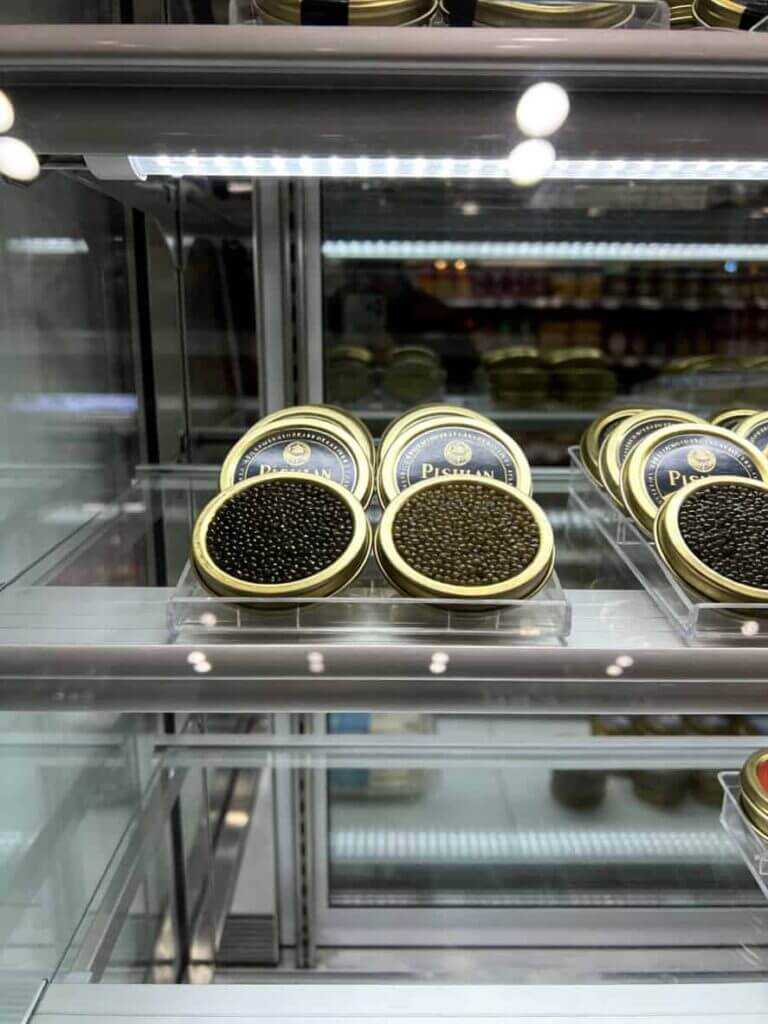
Retailers store caviar both in display units and back-of-house storage. Caviar is often transferred from bulk storage to display units shortly before sale. Retailers must ensure consistent temperature control to maintain premium quality and meet food safety standards. Display refrigeration typically operates at 0°C to +2°C, while bulk storage rooms maintain -2°C to 0°C.
Private Consumers
Private consumers store caviar in small quantities for personal use. The recommended storage temperature is 0°C to +2°C, ideally in the coldest part of a refrigerator or in a compact walk-in cooler for luxury homes or private kitchens.
Caviar should be removed from refrigeration 10–15 minutes before serving and kept chilled on ice. It should never be frozen, as freezing damages the roe structure and alters flavor.
Proper caviar refrigeration is essential to preserve the quality, safety, and luxury value of this premium product. Whether stored in fine dining restaurants, production facilities, distribution centers, gourmet retail stores, or private residences, maintaining a precise and stable caviar storage temperature is critical to protecting texture, flavor, and shelf life. Investing in a specialized refrigeration solution helps safeguard high-value caviar and maintain premium product standards from storage to final consumption.