


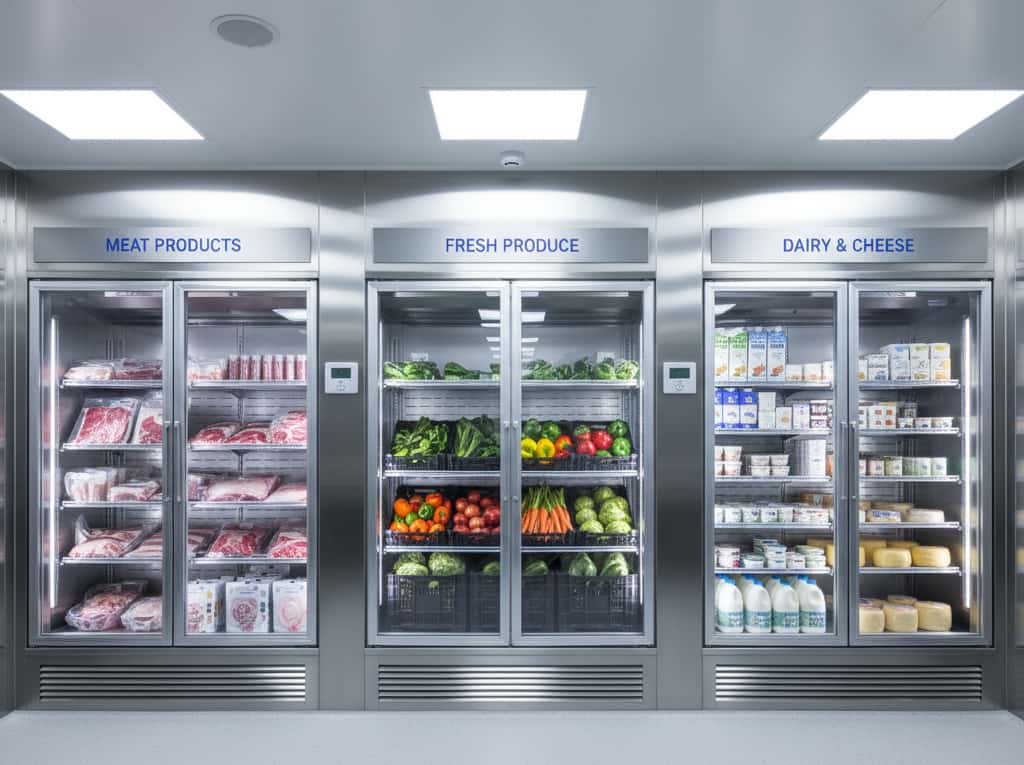
Keeping food fresh is one of the biggest challenges for hotels, cafés, and restaurants. A good cold room can make a big difference. It works like a big refrigerator but is more powerful and efficient for commercial use.
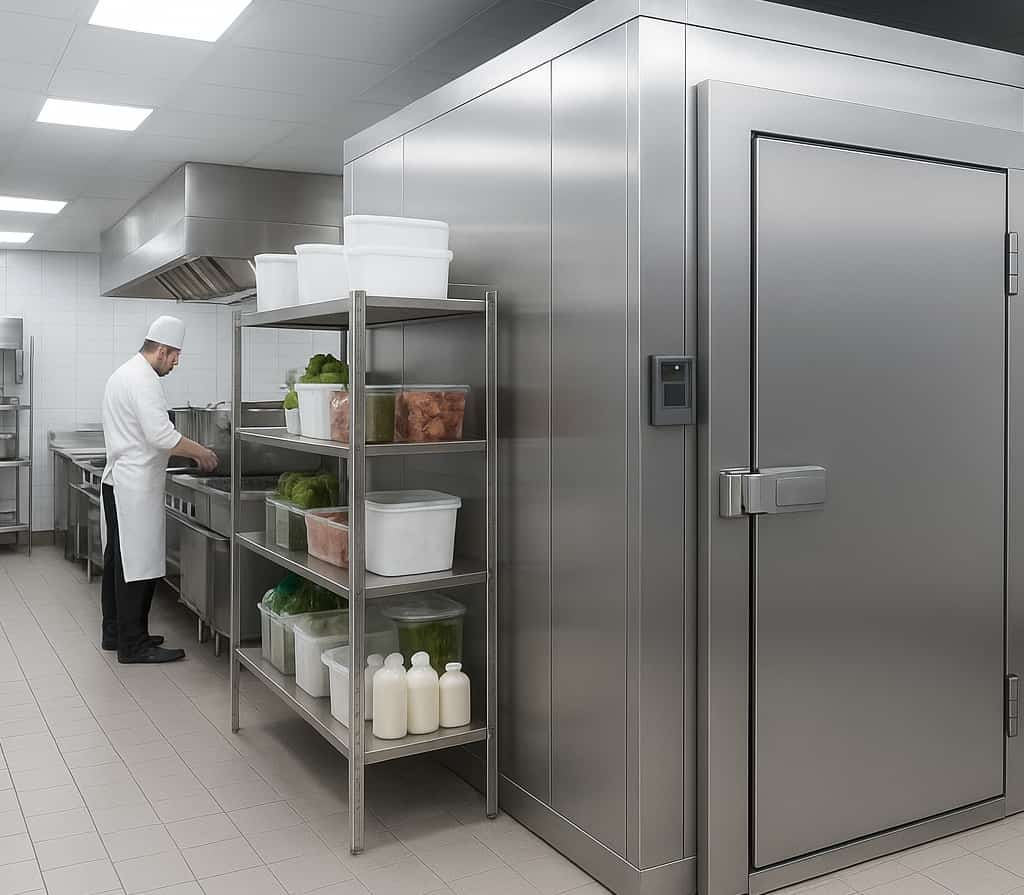
Cold rooms are used to keep meat, seafood, dairy, fruits, and vegetables fresh for longer periods. It helps store large amounts of food safely, saves space, and reduces waste. You can walk inside them, organize products on shelves, and adjust the temperature as needed.
Why Hotels, Cafés, and Restaurants Need Cold Rooms
- Hotels
Hotels serve many guests every day and often have large kitchens. A cold room allows chefs to store meat, dairy, and prepared ingredients in one place. It also helps with stock management for buffets, banquets, and room service.
- Cafés
Cafés often need space for milk, desserts, and fruits. A small modular cold room is perfect for storing ingredients for coffee drinks, smoothies, and baked goods while keeping everything fresh.
- Restaurants
Restaurants handle daily deliveries and perishable foods. A reliable cold room helps keep ingredients at safe temperatures, prevents spoilage, and ensures food safety during busy service hours.
Best Applications for Hotel Cold Rooms
Hotels often need different temperature zones within the same cold storage area.
Recommended equipment:
Modular or walk-in cold rooms with separate chilling and freezing sections.
Best practices:
- Keep raw and cooked food separate to prevent contamination.
- Label shelves by category (meat, seafood, vegetables).
- Clean evaporators and condenser coils regularly.
- Record daily temperature logs for food safety compliance.

Best Applications for Café Cold Rooms
Cafés typically need smaller storage for milk, cream, fruits, and desserts.
Recommended equipment:
Compact modular cold rooms or plug-in cold rooms that fit limited spaces.
Glass door cold room inside the café for quick access to drinks and dairy.
Best practices:
- Avoid overloading shelves; ensure proper air circulation.
- Store dairy and fruits on different levels to avoid moisture transfer.
- Check door seals often to prevent warm air leaks.
- Defrost regularly and clean drainage lines.
Best Applications for Restaurant Cold Rooms
Restaurants usually store meat, seafood, vegetables, sauces, and ready-to-cook meals.
Recommended equipment:
Walk-in or modular cold rooms with adjustable shelving systems.
Blast chillers or freezers for quick preservation of cooked dishes.
Dual-temperature rooms if both chilled and frozen storage are needed.
Best practices:
- Keep meat and seafood in lower zones to prevent dripping.
- Use food-grade containers with tight lids.
- Sanitize floors and walls weekly.
- Maintain consistent temperature (0°C to +5°C for chilled food, -18°C for frozen).
Key Factors to Consider When Choosing a Cold Room
- Size and Capacity – Choose a size that fits your daily operations. Consider both current and future needs.
- Temperature Range – Decide whether you need a chiller or a freezer.
- Energy Efficiency – Look for units with good insulation and energy-saving compressors to reduce running costs.
- Hygiene and Safety – Easy-to-clean surfaces and food-safe materials are important.
- Certifications and Compliance – Check if the cold room meets standards like CE, UL, or HACCP to ensure safety and quality.
Frequently Asked Questions
Q1: What’s the difference between a cold room and a regular freezer?
A cold room has a larger capacity and more stable temperature control, suitable for commercial kitchens.
Q2: Is a cold room suitable for small cafés?
Yes! There are compact modular cold rooms that fit in limited spaces.
Q3: Does a cold room use a lot of electricity?
Modern cold rooms are energy-efficient and use high-quality insulation to reduce power consumption.
Q4: Can I rent a cold room instead of buying one?
Yes. Some suppliers offer rental options, which are great for temporary events or seasonal needs.