


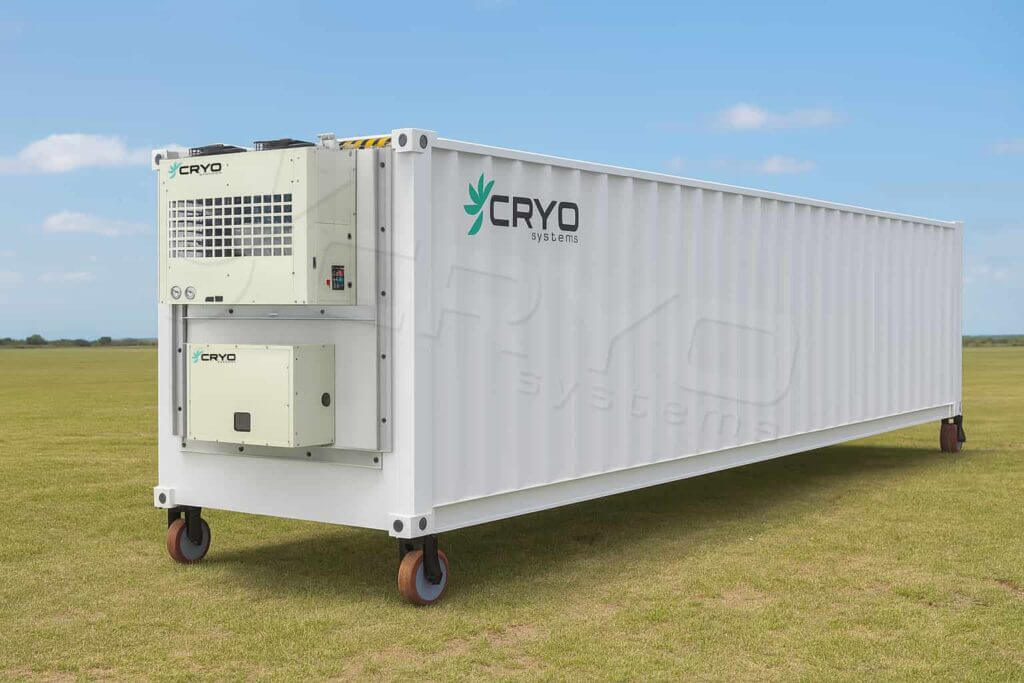
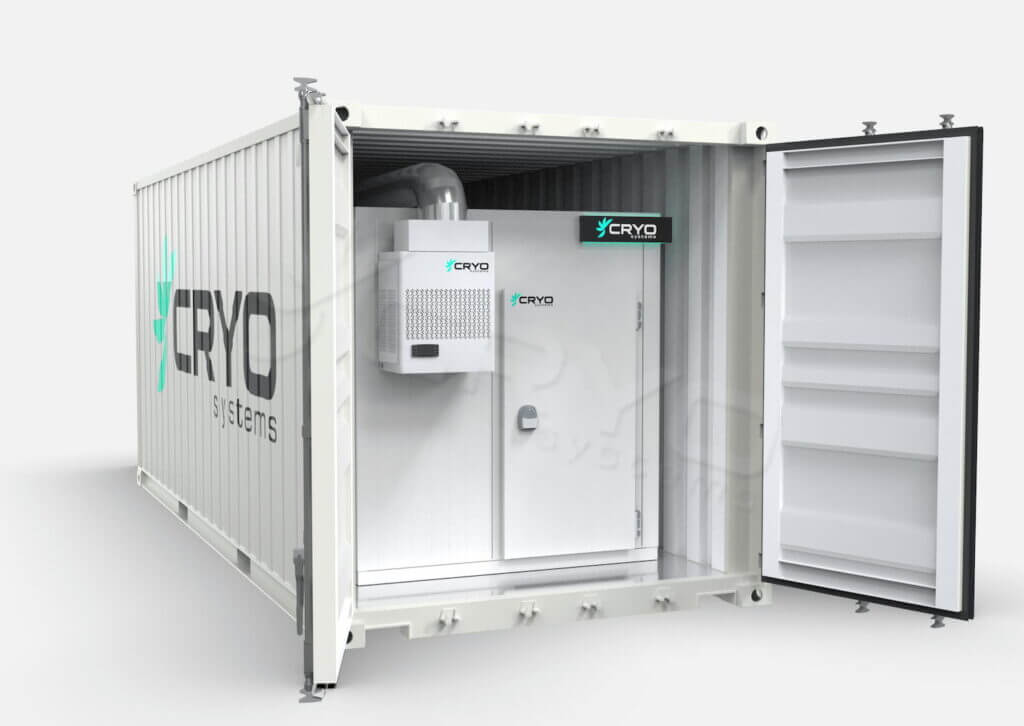
Against the backdrop of growing demand for cold chain transportation and temporary storage, refrigerated containers (Cold Room Container / Reefer Container) have become essential tools for various industries to enhance their logistics and preservation capabilities. For companies in food, fruits and vegetables, aquatic products, pharmaceuticals, chemicals, and other sectors, a key question arises: should they lease or buy refrigerated containers?
This article will systematically analyze the advantages and disadvantages of both approaches from multiple perspectives including investment costs, operational flexibility, equipment maintenance, asset management, and long-term strategy, providing professional guidance for cold chain decision-makers.
I. Initial Investment and Cash Flow
Purchasing refrigerated containers typically involves a substantial one-time capital expenditure, especially for customized or large integrated container units. Additionally, equipment purchase may be accompanied by hidden costs such as transportation fees, installation and commissioning costs, and customs duties (in cross-border procurement), which could further increase the actual investment.
Leasing allows costs to be distributed through monthly, quarterly, or project-based billing, reducing initial cash pressure. This approach is particularly suitable for small and medium-sized enterprises with limited capital or startup projects. For companies with tight cash flow or temporary refrigeration needs, leasing is undoubtedly a more flexible and asset-light solution.
Summary Recommendation: If a company has limited funds but needs to rapidly deploy cold chain equipment, or if cash flow stability is a concern during the initial phase of business expansion, leasing is recommended to exchange capital liquidity for operational security.
II. Short-Term vs Long-Term Use
If your project has distinct seasonal characteristics or one-time application scenarios, such as agricultural harvest seasons, year-end promotional periods, short-term maritime exports, or emergency epidemic prevention tasks, leasing refrigerated containers can help avoid long-term idle time and maintenance troubles during off-peak seasons.
Conversely, if your business has continuous and stable dependence on cold chain services, such as cold chain logistics companies, central kitchens, pharmaceutical logistics and warehousing enterprises, or food processing plants, purchasing refrigerated containers becomes more cost-effective. In the long term, the unit cost of equipment usage will be significantly reduced, while also facilitating independent management and planning of cold chain capacity.
Reference Recommendations:
- Low frequency + Short term→ Recommend leasing
- High frequency + Long term→ Recommend purchasing
III. Equipment Maintenance and Technical Support
Most refrigerated container leasing companies provide comprehensive technical support including regular maintenance, remote monitoring, emergency repairs, refrigerant replacement, and insurance services, eliminating the technical barriers for customers in refrigeration system management. For small enterprises without professional cold storage operation and maintenance teams, or for project sites, ports, and farms with many temporary workers, the leasing model can significantly reduce losses and management burdens caused by equipment failures.
Purchased equipment requires enterprises to bear maintenance, repair, and technical upgrade costs independently. If the company lacks internal cold chain maintenance personnel, this could become a hidden burden.
Conclusion: If an enterprise lacks independent operation and maintenance capabilities and refrigerated containers are distributed across multiple locations, leasing offers greater service efficiency and management advantages.
IV. Ownership Benefits vs Lease Limitations
Purchasing equipment allows enterprises to enjoy complete control and customization rights, supporting the implementation of highly customized projects. Containers can undergo structural modifications, functional upgrades, color customization, and even installation of solar panels or IoT modules according to specific applications.
Leased equipment, however, is mostly standardized products. While they can meet most usage scenarios, there are obvious limitations in terms of control and modification flexibility. Some leasing service providers even prohibit customers from making unauthorized adjustments or installing internal facilities, limiting space for innovation and functional expansion.
Application Recommendation: Enterprises with strong demands for equipment control and functionality, or those involved in brand display, export, or medical cold chain projects, should prioritize purchasing.
V. Scalability and Operational Flexibility
Here are two examples:
- A fruit exporter suddenly receives a large order and needs to temporarily add 3 refrigerated containers.
- A construction project relocates to a remote area, making it difficult to transport existing cold chain equipment.
Leasing refrigerated containers has significant advantages in these situations. Leasing companies typically maintain ready inventory and can respond quickly to demands, meeting temporary deployment needs across multiple locations and projects. Companies only need to flexibly allocate resources according to phased tasks, avoiding resource waste.
While the purchasing model has advantages in terms of control, once equipment quantities are insufficient or projects require cross-regional deployment, challenges include: transportation time, reinstallation costs, approval and customs clearance processes, etc.
VI. Asset Value & Depreciation
Purchasing equipment means owning usage rights for the entire asset lifecycle. When equipment reaches its service life (typically 8-12 years), companies can still conduct second-hand sales, asset recovery, or refurbishment for reuse, obtaining certain residual value returns. Leased equipment does not involve residual value issues, as equipment is recovered by service providers after lease termination.
Additionally, if equipment is used for an extended period (such as over 5 years), cumulative rental fees may likely exceed purchase costs, and companies do not acquire ownership during the lease period.
Conclusion: From a lifecycle cost perspective, if equipment usage period clearly exceeds 5 years, purchasing is a more economical long-term investment.
Whether leasing or purchasing, both approaches have their respective values. The key lies in the enterprise’s own business rhythm, organizational capabilities, and financial structure. Cold chain facilities should not be a burden, but rather assets that support enterprise expansion and operational efficiency. We hope this article can help you make the wise choice that best suits your company’s development.