


What's a Cold Room Container and What's a Traditional Cold Room?
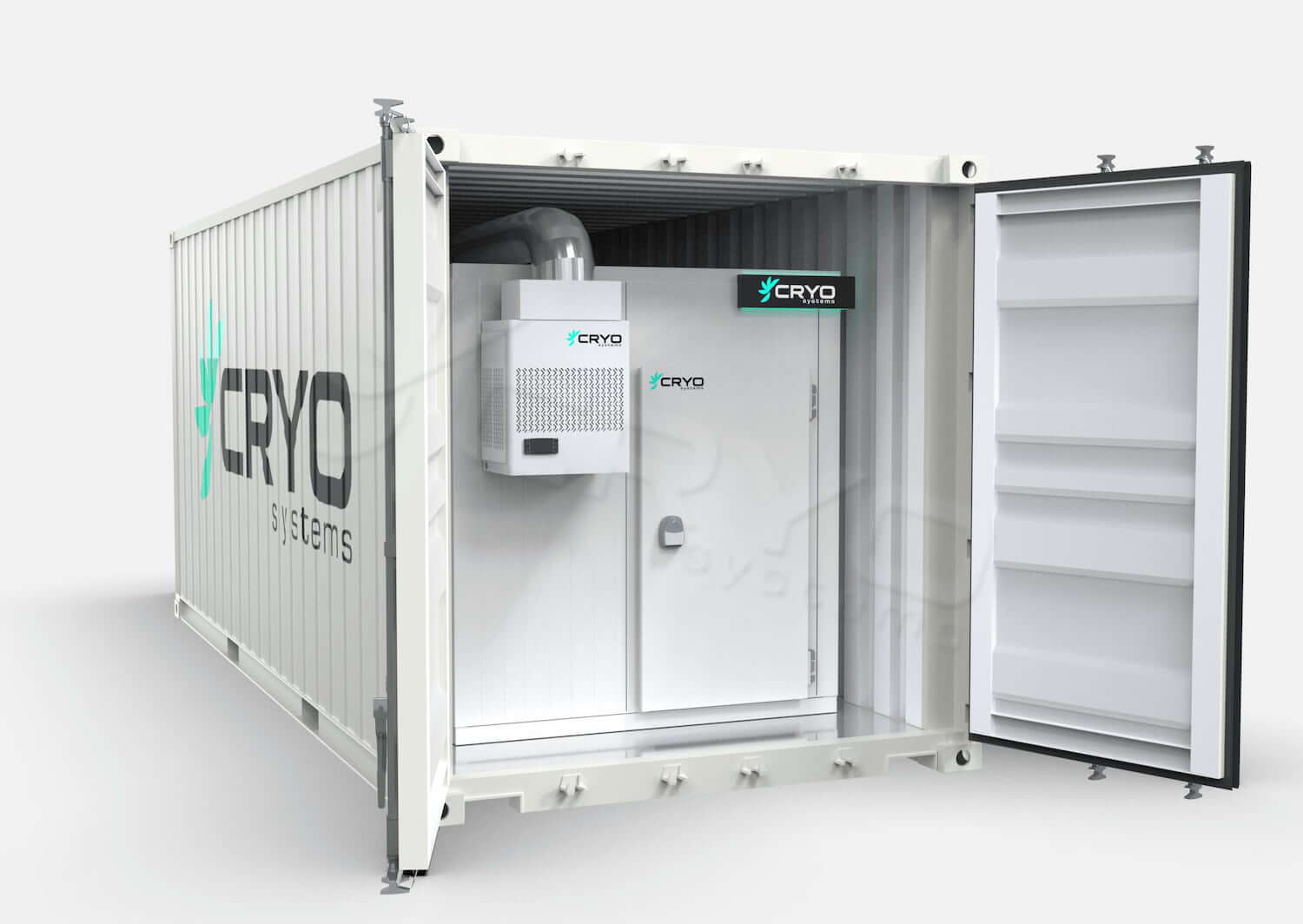
A Cold Room Container is a modular, integrated refrigeration system typically constructed within standard shipping container dimensions (e.g., 20-foot or 40-foot). These units offer rapid deployment capabilities, making them suitable for use in diverse locations such as ports, construction sites, remote areas, or temporary event venues.
- Mobile and Leasable
- Plug-and-Play Functionality
- Rapid Installation and Minimal Footprint
traditional cold room
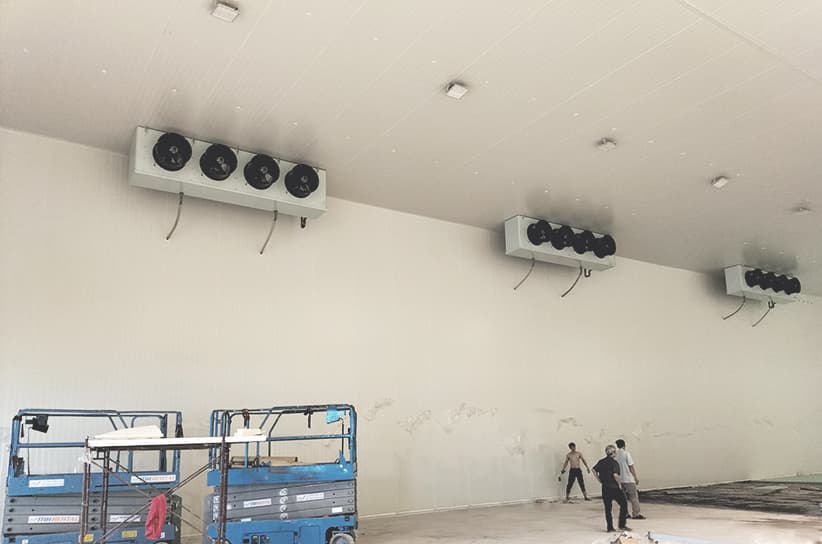
A Traditional Cold Room is a static refrigeration system integrated into a permanent building structure. It is designed for long-term, large-scale storage requirements and typically necessitates civil engineering work along with complex auxiliary equipment for installation and operation.
- Fixed Structure, Non-movable
- High Investment, Suited for Large Enterprises
- Optimal for Central Warehouses and Processing Plants
Installation and Deployment Comparison
Here’s a breakdown of how cold room containers and traditional cold rooms stack up when it comes to getting them up and running:
| Feature | Cold Room Container | Traditional Cold Room |
|---|---|---|
| Deployment Time | Rapid (1-3 days) | Lengthy (weeks to months) |
| Site Requirements | Simple, no construction | Design and construction required |
| Mobility | High, can be lifted/transported | Immobile |
If you’re dealing with temporary projects, short-term exports, or remote site needs, a cold room container is definitely the more flexible option.
Cost and Investment Differences
When it comes to your budget, these two options have very different profiles:
- Cold Room Container: These have a relatively lower upfront investment. You can choose to lease or purchase based on your needs. They also offer flexibility with either built-in or external power systems. This makes them ideal for businesses with limited budgets or high business uncertainty.
- Traditional Cold Room: These require a higher upfront investmentfor civil construction and equipment, plus you’ll need to build your own robust power system. However, they offer a lower unit storage cost over the long term, making them suitable for stable, long-term operations.
Usage Scenarios Comparison
| Usage Scenario | Cold Room Container | Traditional Cold Room |
|---|---|---|
| Export Container Loading | ✅ Suitable | ❌ Unsuitable |
| Temporary Agricultural Storage | ✅ Suitable | ❌ Lacks Flexibility |
| Processing Plant Storage | ❌ Limited Capacity | ✅ Large Volume Storage |
| Disaster Relief, Field Operations | ✅ Recommended | ❌ Unusable |
| Long-term Cold Chain Storage | ❌ High Cost | ✅ Optimal Choice |
Which is Right for You?Application Recommendations
Both cold room containers and traditional cold rooms offer distinct advantages and limitations. Your choice should primarily hinge on your business scenario, budget cycle, deployment timeline, and expansion expectations.
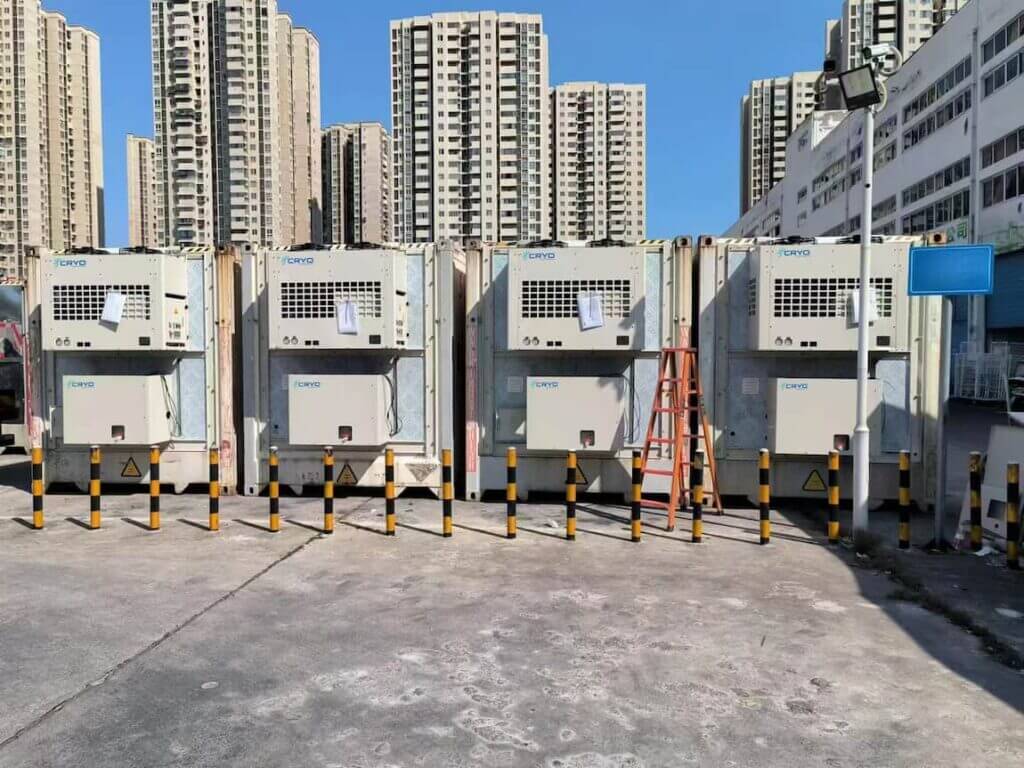
We recommend choosing a cold room container if you fit the following criteria:
- You require rapid deployment or temporary transitional use (e.g., seasonal fruit storage, vaccine storage, exhibitions, project construction sites).
- You have high demands for flexibility, such as cross-regional allocation, remote transportation, or emergency cold chain needs.
- You operate with a limited budget, prioritize short-term returns, or aim to pilot cold chain operations with low initial investment.
- You are located in a remote area where rapid construction of a traditional cold room is not feasible or infrastructure support is lacking.
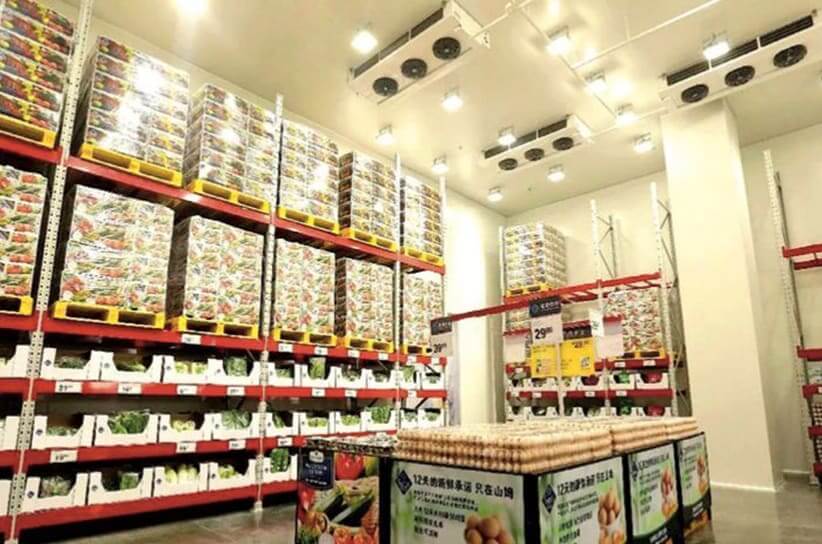
We recommend choosing a traditional cold room if you:
- Plan to establish a long-term, stable warehousing or cold chain distribution center.
- Possess a sufficient initial budget and available land for development.
- Need to support high-frequency, large-volume inbound and outbound goods operations.
- Are located in an urban or industrial center and meet the necessary construction approval conditions.
A quick piece of advice:
If your needs prioritize “flexibility, speed, mobility, and low initial investment,” opt for a cold room container.
If you seek “stability, large capacity, and long-term operational sustainability,” then a traditional cold room remains the primary choice.
Further reading and recommended resources:
-
[ View: The Complete Guide to Refrigerated Containers ]
Understanding Types, Selection, Use, and Maintenance of Refrigerated Containers -
[ View: Uses of refrigerated containers ]
Learn which industries and scenarios benefit most from the use of refrigerated containers -
[ Operation: Converting a Shipping Container to Refrigerated ]
In addition to leasing and purchasing, you can also choose to convert a shipping container into a refrigerated container yourself